Charter Demand Is Up 27%. Flying Isn’t

Joseph Pennella
Founder and Principal Broker
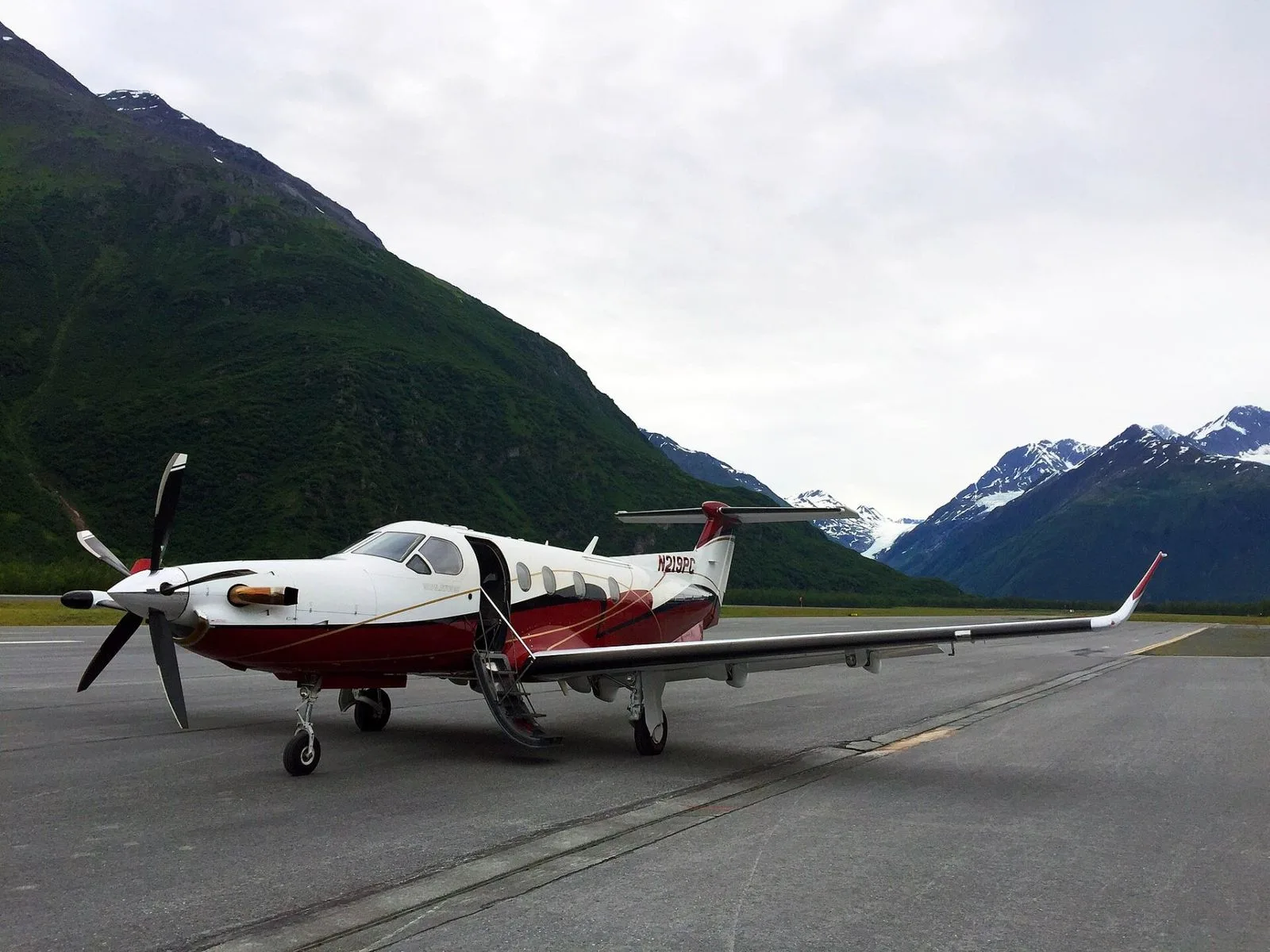
Photo: RyanAirAlaska, CC BY-SA 4.0.
A Charter Request Is Not a Charter Flight
U.S. charter demand rose 27% between October 2025 and last month, according to Avinode.
That number is going to get quoted a lot. It is worth knowing what it measures.
Avinode is a marketplace where brokers search for aircraft and operators quote back. What it counts as demand is trip requests submitted on the platform.
A request is not a flight. It is someone asking.
Avinode Says So Themselves
This is not my inference. It is in the same article.
Harry Clarke, Avinode’s director of commercial development, says the number of actual departures is “pretty flat in the U.S. year over year.” He goes further: “The market is flat overall right now.”
Requests up 27%. Departures flat. Both from the same platform, in the same report.
Why the Two Numbers Diverge
Clarke gives the reason directly. He describes a “very competitive environment,” evidenced by a record number of U.S.-based charter brokers using the platform.
If three brokers quote the same trip, the platform records three requests and one airplane leaves the ground.
More brokers joining a marketplace raises request volume whether or not a single additional passenger flies. The marketplace gets busier. The market does not get bigger.
Clarke calls the last few years a “calmer situation, with more people trying to be involved in facilitating this sort of travel.” That is a polite description of a crowded intermediary layer, and it is the most useful thing in the report.
What Flying Actually Looks Like
For context, JETNET and WINGX data presented at the JIQ fireside chat on September 30 put global Part 135 charter departures up 4.3% this year, with fractional up 9.9% and owner-flown Part 91 up 0.6%.
That is a global figure. Clarke is speaking about the U.S. specifically, where WingX data suggests roughly two-thirds of all charter flights take place.
Read together: charter flying is growing modestly worldwide, and in the U.S. it is close to flat. Neither picture resembles 27%.
The Part That Should Concern Owners
Here is what I would not skip past.
Avinode expects hourly charter rates to hit a record high through the remainder of 2026, driven by holiday demand and rising fuel costs.
Flat departures. Record rates.
If you own an aircraft on a Part 135 certificate, that combination deserves attention. Higher rates do not automatically mean higher revenue when the number of trips is not growing and the broker count is. It means the same volume of flying is being repriced, and more intermediaries are competing to place it.
We wrote earlier this month about Jet A reaching a six-month high, up 32.7% since January. Clarke names fuel as one of the two drivers of those record rates. That is the cost showing up on the other side of the invoice.
If You Are Building a Charter Revenue Projection
Ask which number it rests on.
A 27% rise in requests does not tell you how many revenue hours you will fly next year. Flat departures do.
Build the projection off marketplace demand figures and you will overestimate utilization and underestimate what the aircraft actually costs you to own. The spreadsheet looks reasonable in January. The invoices disagree by June.
Final Approach
Avinode publishes what its platform records, and their own executive was careful to say the market is flat. The caution is in the reporting. It is just below the headline.
Twenty-seven percent is a real number. It answers a different question than most readers will assume: not how many people are flying, but how many people are asking on behalf of them.
For a market heading into its peak season with record rates and flat volume, that distinction is worth getting right.
Joseph Pennella
Penn Jets LLC
Avinode figures, Harry Clarke quotes and the rate forecast per Aviation International News, “Avinode: U.S. Charter Demand Climbs 27% in Past Year,” Charlotte Bailey, 15 October 2026. Global Part 135, fractional and Part 91 departure figures from JETNET and WINGX data presented at the JIQ fireside chat, 30 September 2026. Jet A pricing per iFlightPlanner’s September survey.
Market commentary only. Not tax, legal or investment advice.