The Largest Managed Fleet in the World Just Closed. What It Means for Owners.

Joseph Pennella
Founder and Principal Broker
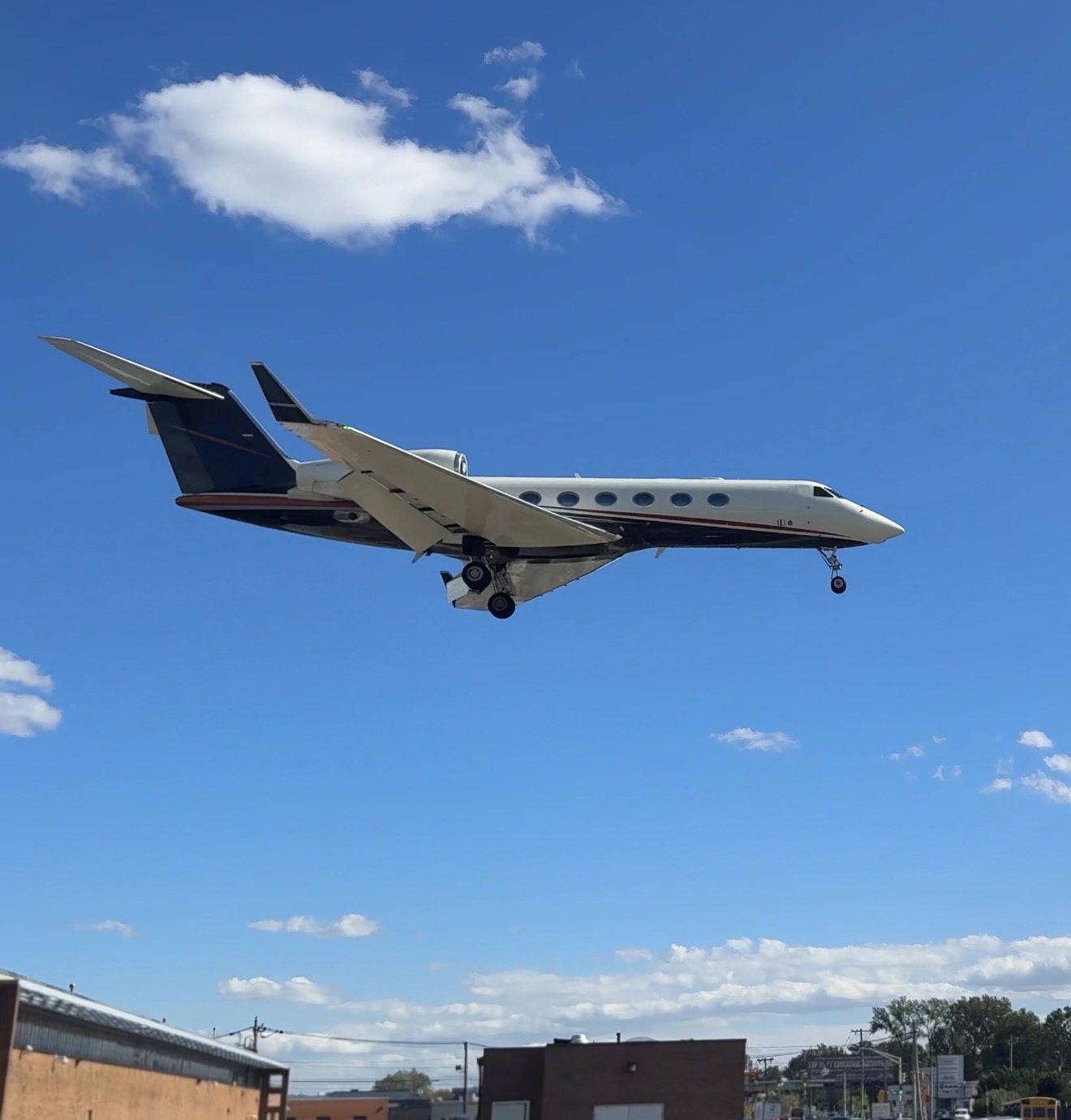
On October 1, Solairus Aviation closed its acquisition of Clay Lacy Aviation's aircraft management and charter divisions. The combined company manages more than 500 business aircraft, with roughly 200 on its Part 135 certificate.
That makes it the largest managed fleet in the world, and the largest transaction of its kind our segment has seen.
What Actually Changed Hands
Solairus managed about 360 aircraft from more than 100 bases across North America. Clay Lacy managed roughly 140, with a portfolio its website valued above $3 billion.
Only the management and charter divisions moved. Clay Lacy retains its FBOs, maintenance operations and real estate, and has said it will focus on growing a nationwide FBO network supported by maintenance and AOG capability.
Neither company owns the aircraft. They manage them for owners, which is why this transaction is unusual: the asset being acquired is a book of relationships, and those relationships can decline to come along.
More than 135 Clay Lacy owners have confirmed they are moving to Solairus. The transition runs in two tranches, the first on October 1 and the second on November 1.
Why Scale Is Happening Now
Management is an unusually fragmented business. Most aircraft management companies operate fewer than five aircraft. Real economies of scale begin somewhere past 100 or 250 aircraft, in fuel purchasing, insurance, parts, training and crew pipelines.
Rising operating costs have made that math harder to ignore. Larger operators can negotiate better and absorb cost increases that a five-aircraft manager simply passes through to owners.
Capital has noticed. Solairus has been owned since 2022 by Ancient, the firm founded by Alexander Klabin, which also owns the superyacht brokerage Burgess and Sotheby's Financial. That portfolio tells you how this asset class is being viewed: aircraft management sits alongside yachts and art lending as a business built on servicing significant private wealth.
What Owners Should Expect
If your aircraft is managed by either company, the practical questions are specific:
Who is your actual point of contact next month? Integration means people change seats. The named individual who knows your aircraft and your travel patterns matters more than the logo on the invoice.
What happens to your charter revenue? Roughly 200 aircraft on one certificate means a larger pool competing for the same trips. Scale can mean more charter demand routed to your aircraft, or more aircraft competing for the trips you used to get. Ask how trip assignment works.
Does your management agreement transfer unchanged? Rates, revenue splits, maintenance authority and termination provisions are worth rereading now, not at renewal.
Will your crew stay? Crew retention through an integration is the single best predictor of whether owners notice the change.
For everyone else, there's a quieter consequence. Salespeople from competing management companies have already begun calling Clay Lacy owners. Any transition creates an opening, and owners who were already lukewarm about their arrangement will hear from alternatives.
The Broader Pattern
This is consolidation reaching a part of the industry that resisted it for a long time. Fractional providers consolidated years ago. Charter brokers have been consolidating steadily. FBO networks went through it twice.
Management was the holdout, because the business is local, relationship-driven and hard to scale without losing the personal service owners pay for. Both companies have emphasized that high-touch service is what they intend to preserve. Whether a 500-aircraft fleet can feel like a 40-aircraft fleet is the real question, and the answer will take a year to see.
What won't change is the underlying choice facing owners. Management is not a commodity. The right structure depends on how much you fly, whether you want charter revenue, how much operational control you want to retain and how much you value having someone who answers the phone at 11pm on a Sunday.
Bigger buys better. Smaller sometimes answers faster. Both can be the right answer, depending on the owner.
Our View
As both a broker and a partner in a Part 135 operation, we watch these transactions closely. Scale changes the economics of operating an aircraft, and the economics of operating an aircraft change what an aircraft is worth to own.
If you are evaluating management options, or reconsidering an arrangement because of this transition, we are happy to walk through the structures with you.
Joseph Pennella
Penn Jets LLC
Sources
Corporate Jet Investor — "Solairus closes Clay Lacy aircraft management acquisition," October 2, 2026.
Corporate Jet Investor — "Solairus buying Clay Lacy's aircraft management and charter, brings fleet to 500 jets," August 6, 2026.
Business Airport International — "Solairus to acquire Clay Lacy management and charter businesses," August 10, 2026.
Forbes — Doug Gollan, "Two Top U.S. Private Jet Companies Agree To Combine With Over 500 Jets," August 6, 2026.
Clay Lacy Aviation and Solairus Aviation company statements, August and October 2026.
Market commentary only. Not tax, legal or investment advice.