The Light Jet Market in 2026: Why Smaller Business Jets Could Lead the Next Decade

Joseph Pennella
Founder and Principal Broker
The private jet market continues to evolve in 2026, and some of the most interesting activity is occurring well below the ultra-long-range category.
Light jets remain the most actively traded portion of the pre-owned business jet market, while long-term forecasts point toward substantial growth in both light jets and very light jets (VLJs). For buyers, sellers, and aircraft owners, the underlying question is simple: why are smaller business jets attracting so much attention?
Part of the answer comes down to mission. Many private aviation trips simply do not require an aircraft capable of flying halfway around the world.
A Market Positioned for Long-Term Growth
A September 2026 market forecast reported by Aviation International News estimates that the overall business jet market could grow from approximately $27 billion in 2025 to more than $60.5 billion annually by 2035.
The forecast is particularly notable at the smaller end of business aviation. Market research projects the light-jet segment growing from approximately $4.44 billion in 2025 to $16.47 billion by 2035. The VLJ segment is projected to grow from approximately $1.31 billion to $6.3 billion over the same period.
Those projections should not be interpreted as guaranteed future aircraft values. They do, however, illustrate expectations for significant investment and demand within aircraft categories sometimes overshadowed by large-cabin jets.
Why the Mission Matters
Range receives enormous attention when aircraft are marketed, but maximum range and actual mission requirements are very different things.
According to the same market research, flights below 500 nautical miles accounted for approximately 58.3% of global business jet activity in 2025.
For missions like New York to Washington, Miami to the Bahamas, Dallas to Houston, or Los Angeles to Las Vegas, an owner may gain relatively little practical benefit from carrying the acquisition and operating costs of substantially more aircraft than the mission requires.
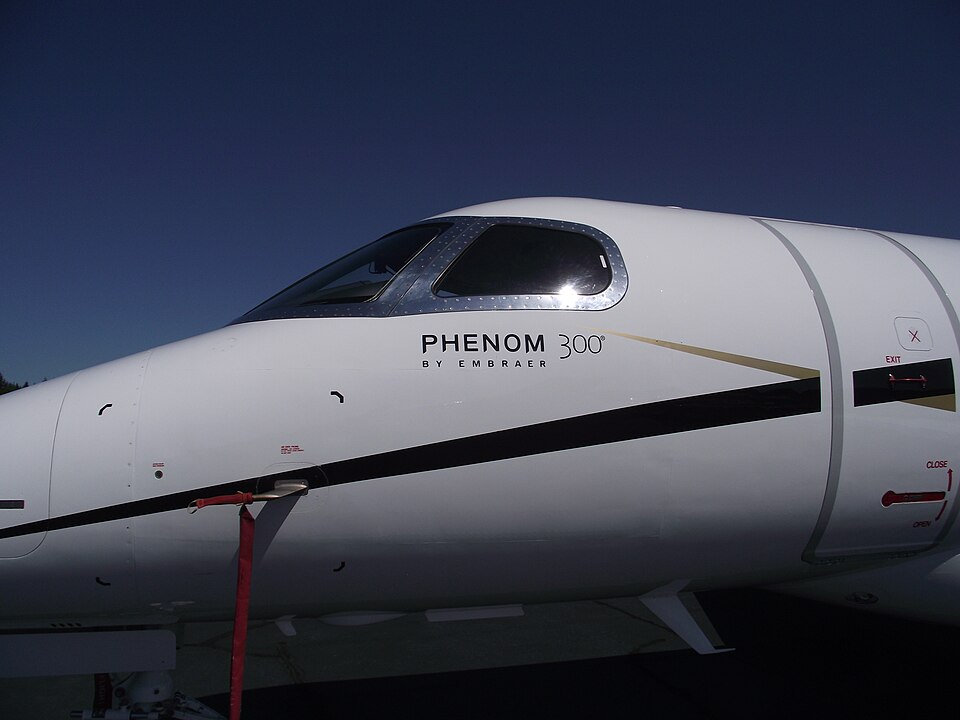
This is where light jets become compelling. Aircraft such as the Embraer Phenom 300, Citation CJ family, Citation M2, and HondaJet combine speed and business-jet capability with operating economics designed around regional travel.
Small Jets Remain the Most Actively Traded
Current pre-owned transaction data reinforces the importance of this category.
JETNET reported 544 Small Jet transactions during the first half of 2026, making them the most actively traded cabin class. Transactions were down 9.6% compared with an unusually active first half of 2025, but Small Jets still accounted for nearly half of the 1,115 pre-owned business jet transactions recorded during the period.
More recent JETNET data through July showed Small Jets remaining the most actively traded class, with 1,342 transactions on a trailing-twelve-month basis.
Liquidity matters when purchasing an aircraft. A larger installed fleet, active transaction market, established maintenance network, and broad buyer population can become important advantages when it is eventually time to sell.
Inventory Is Tight—Especially for Younger Aircraft
The market becomes even more interesting when inventory is considered.
JETNET reported that aircraft available for sale represented approximately 6.6% of the operational business jet fleet in mid-2026, down from 7.3% in 2025 and considerably below the 9% to 12% levels common during much of the decade before the pandemic.
But not all inventory is equal.
Approximately 74% of business jets currently offered for sale are 16 years old or older. The newest aircraft represent only a small portion of available inventory.
Global Jet Capital similarly reported that only 3.7% of the fleet aged 12 years or younger was available for sale at the end of Q2 2026.
That creates two different markets: buyers seeking late-model aircraft face limited supply, while buyers willing to consider older airframes generally have more options and potentially greater negotiating leverage.
Pricing Is Becoming More Rational
The extraordinary pricing environment of 2021 through 2023 has continued to normalize.
JETNET's July market report placed the trailing-twelve-month average asking price for Small Jets at approximately $3.52 million. While individual aircraft values vary dramatically, Small Jet pricing remains substantially above 2019 levels.
Global Jet Capital also found that values for aircraft 12 years old and younger increased 3.3% during Q2 2026, compared with a 1.9% increase among aircraft 13 years and older.
For buyers, this reinforces the importance of looking beyond the asking price. Two aircraft of the same model year can have substantially different economic values depending on engine program status, maintenance history, inspection timing, total time, avionics, interior condition, damage history, and pedigree.
Newer Aircraft Are Selling Faster
Aircraft age is also having a measurable effect on liquidity.
JETNET reports that business jets between zero and five years old are selling in approximately 53 days, while every age category 16 years and older is averaging more than 100 days on market.
For a seller with a late-model, well-maintained light jet, that scarcity can create leverage. For someone selling an older aircraft, accurate pricing and a clear understanding of upcoming maintenance become increasingly important.
Fractional Growth Matters to the Light-Jet Market
Another important development is the continued expansion of fractional aviation.
JETNET reports that fractional program operators accounted for approximately 18% of new business jet deliveries through 2026, compared with roughly 10% before the pandemic.
Fractional and shared-access models naturally favor aircraft that can fly frequently and efficiently. That does not benefit every light-jet model equally, but it reinforces demand for aircraft offering strong dispatch reliability, reasonable direct operating costs, and useful cabin capability.
What Buyers Should Watch
The light-jet market offers opportunity, but buyers should resist treating every aircraft in the category as interchangeable.
- Mission: Buy for the trips you actually fly, not the longest trip you might take once.
- Maintenance: Understand upcoming inspections, engine exposure, and program coverage.
- Inventory: Late-model aircraft remain scarce, so exceptional examples can move quickly.
- Fleet support: Consider parts availability, service centers, and installed fleet size.
- Exit strategy: Think about resale before purchasing, particularly with older aircraft.
What Sellers Should Watch
For sellers, the market remains selective rather than universally strong.
A late-model aircraft with complete records, strong maintenance status, desirable avionics, and program-covered engines occupies a very different market position from an older aircraft approaching expensive inspections.
Pricing should therefore be based on comparable aircraft and recent transactions—not simply what another owner is asking online.
The Next Decade of Light Aviation
The long-term forecasts are significant, but the more important story may be what is already happening.
Business jet utilization remains above pre-pandemic levels. Inventory remains historically tight. Younger aircraft are scarce. Fractional operators continue taking a larger share of new deliveries, and Small Jets remain the most actively traded class in the pre-owned market.
For many owners, the future of private aviation may not mean flying farther. It may mean selecting an aircraft more precisely matched to the mission.
That combination of accessibility, efficiency, airport flexibility, and active resale demand is why the light-jet market deserves close attention as private aviation enters its next decade of growth.
Final Approach
The best aircraft is not necessarily the largest, newest, or longest-range airplane available. It is the aircraft that consistently accomplishes the owner's mission while making economic and operational sense.
In 2026, the light-jet market is demonstrating exactly why that distinction matters.
Written by Joseph Pennella
Penn Jets LLC
Sources
- Aviation International News, “Bizjet Market Value To Reach $60B per Year in Next Decade,” September 16, 2026.
- JETNET JIQ Market Barometer, July and August 2026 editions.
- Global Jet Capital, Q2 2026 Business Aviation Market Brief.
- Global Market Insights, Business Jets Market Size, Share & Analysis Report, 2026–2035.
Market figures are industry estimates and may be revised as transactions are reported. This article is provided for general market information and does not constitute financial, tax, legal, or investment advice.