Used Aircraft Market 2026: Why Dealer Deals Are Up and Transactions Are Down

Joseph Pennella
Founder and Principal Broker
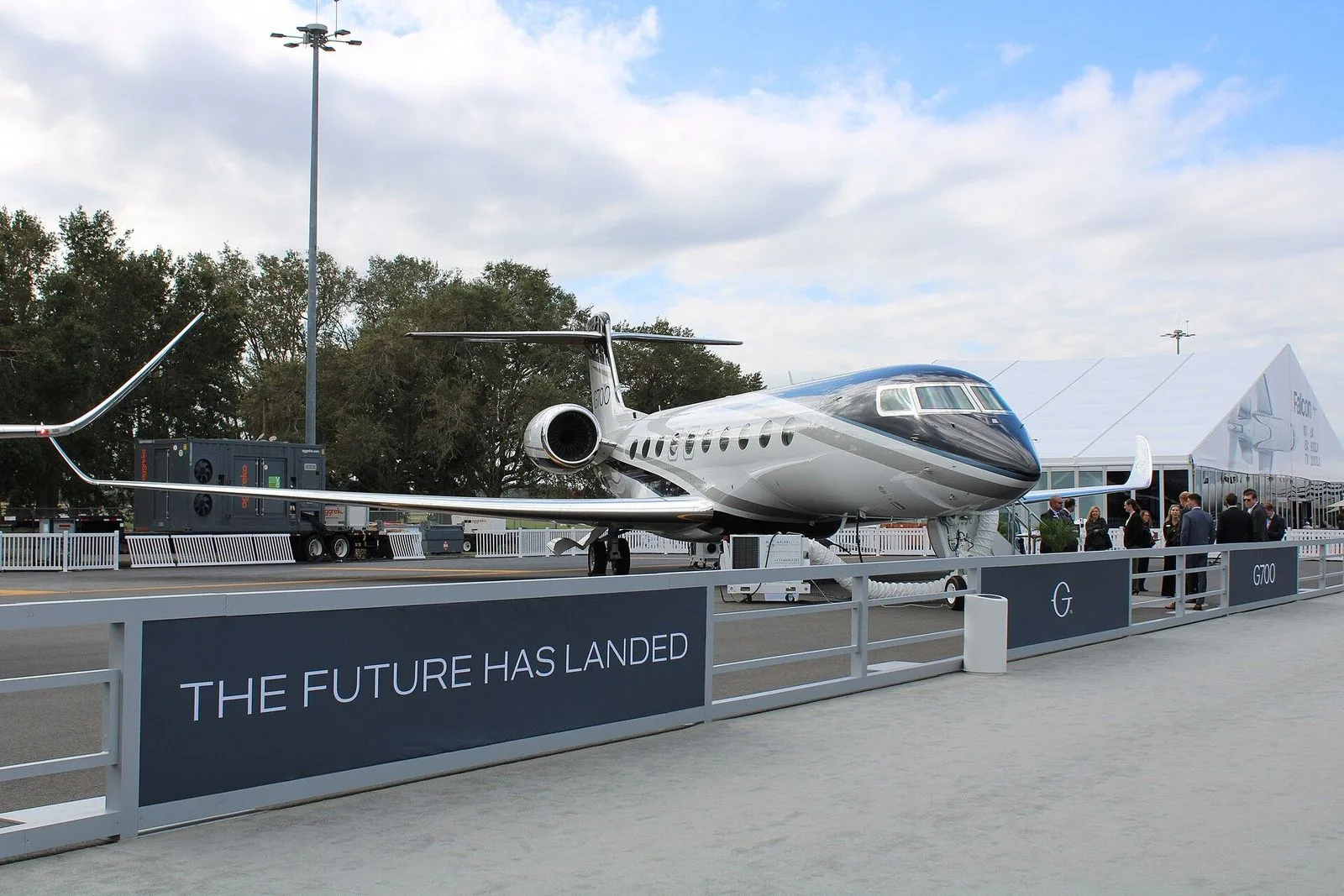
Photo: ZLEA, CC BY-SA 4.0.
Two reputable sources published transaction figures for 2026 that appear to contradict each other.
The International Aircraft Dealers Association reports that its members closed 746 deals in the second quarter, against 616 in the same quarter of 2025, with acquisition agreements rising from 270 to 334. That is growth above 20% on both measures, as reported by Aviation Week on 6 October 2026.
JETNET, meanwhile, recorded 1,115 pre-owned whole-aircraft transactions in the first half of 2026, down 10.8% from the first half of 2025.
Deals up more than 20%. Transactions down nearly 11%.
Both figures are correct. They are counting different populations, and the gap between them says something useful about where this business is heading.
What Each Number Counts
JETNET counts transactions. Every pre-owned whole-aircraft sale it records, regardless of who arranged it.
IADA counts its members. The association surveys accredited dealers, brokers, financiers, lease and insurance providers, and reports what that group transacted.
IADA members are a subset of the market, and a professional one. So when member deal volume climbs 21% in a period when total transactions fell 11%, the arithmetic points one direction: a larger share of a smaller market is moving through the dealer channel.
The Off-Market Channel Is Shrinking
That is the part worth sitting with.
Aircraft have always traded outside the brokered channel. An owner sells to a neighbor at the same airport. A flight department buys directly from a corporation retiring an airframe. A dealer never touches it, and the transaction still shows up in JETNET’s count.
If the brokered share is rising while the total is falling, those private transactions are declining faster than the market overall.
We saw the same pattern in a single type last week. In our note on the G550, JETNET’s data showed 20 of the 21 aircraft listed for sale were on exclusive with a broker. That is 95.2%, on a type with 617 aircraft in operation.
One type is an anecdote. IADA’s survey across its membership is a second data point pointing the same way.
Why It Might Be Happening
We would not claim to know the cause. A few explanations are plausible, and they are not mutually exclusive.
Transactions have become more complex. Tariffs, cross-border structure, import history and registration now carry real money, as we have written about this autumn. Complexity favors representation.
Inventory is tight. IADA’s respondents described it as the leanest they have seen outside the pandemic, particularly for clean, late-model aircraft. When the available airplane is hard to find, the parties who see inventory first have an advantage, and that is the brokered channel.
And sellers are holding firmer. IADA reports dealers reduced prices in 67 cases during the quarter, down from 76 a year earlier. A seller who is not under pressure has less reason to take the first direct offer that arrives.
What To Check
If you are selling, understand what representation buys you now. The argument for going direct has always been saving the commission. That argument weakens when most qualified buyers are working through the channel you are avoiding.
If you are buying, the published inventory is not the market. It never was. But if private trade is shrinking, the off-market conversation matters more rather than less, and it starts with someone who knows which owners are reachable.
Watch the fourth quarter. IADA’s chairman Lou Seno expects a busy fourth-quarter tax push, which is consistent with what the bonus depreciation calendar does to December closings every year. Confirm with your advisor whether a year-end closing changes your position.
Note what IADA expects next. Seno anticipates more balanced conditions as OEM deliveries pick up, with “more meaningful softening likely arriving in early 2027.” That is a forecast from a dealer association, not a certainty, but it is the first forward-looking comment we have seen this quarter that puts a date on it.
The Broader Point
Neither of these numbers is wrong, and neither is complete.
A dealer association reports what its members did. A data provider reports what the market did. Read either one alone and you will reach a confident conclusion about a market you have only seen part of.
Read them together and the picture is more specific: a market with fewer transactions, tighter inventory, firmer pricing, and a rising share of activity moving through professionals. That is not a boom. It is a consolidation of where deals happen.
For anyone deciding how to buy or sell an aircraft in the next six months, the second description is considerably more useful than the first.
Joseph Pennella, Penn Jets LLC
Sources
International Aircraft Dealers Association Q2 2026 market report, as reported by Aviation Week, 6 October 2026: member closed deals, acquisition agreements, price reductions, inventory commentary and Lou Seno’s outlook.
JETNET, pre-owned whole-aircraft transactions for the first half of 2026, via the JIQ Market Barometer.
JETNET G550 market summary, retrieved 16 October 2026: aircraft in operation, aircraft for sale, and aircraft on exclusive.
General market information only; not tax or legal advice.